Is hay in the official land-use figures?
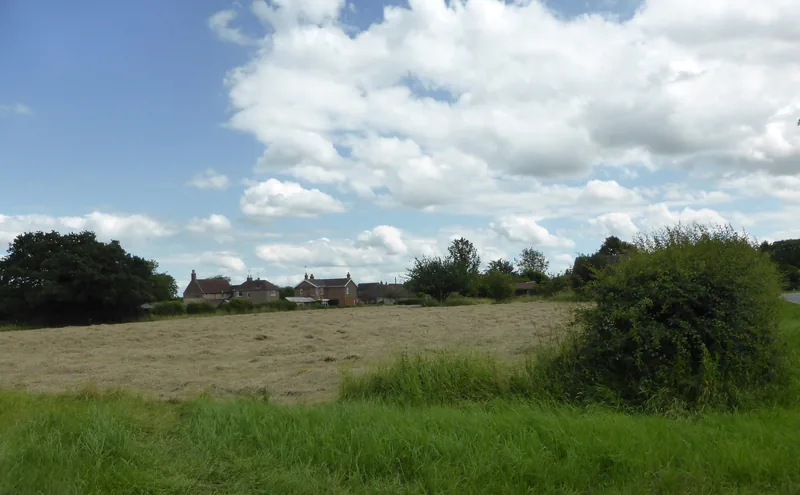
Haymaking is still easy to photograph: a field cut and left in rows, a baler at work, an old rake by a path. In the official land-use notice for England at 1 June 2026, the word “hay” does not appear. Temporary grass and permanent grassland do.
What this site keeps distinct
No official “hay” category
The official Defra notice “Agricultural land use in England at 1 June 2026” does not use the word “hay,” and it does not use the word “silage.” [source]
Temporary grass is named
The croppable area, officially “little changed at 4.9 million hectares in 2026,” includes temporary grassland. Official Figure 2 gives Temporary grass as 18% of croppable area in 2026. [source]
Permanent grassland is separate
The same official notice says the utilised agricultural area is 8.8 million hectares, and that permanent grassland accounts for an additional 39.5% of it. That is not an official hay total. [source]
Tools have a museum record
A Museum of English Rural Life page says scythes were used to cut crops or grass at harvest time, and have largely been replaced, first by horse-drawn and later by tractor machinery and combine harvesters. [source]
Enjoyed the hayfield?
No pop-ups. No intrusive advertising. Just interesting stuff. A little support helps the next farmyard site get built.